Heavy Equipment Operation in UAE Summer Heat: Safety Rules, Midday Break and Machine Care
Summer in the UAE pushes air temperatures past 45°C, and surfaces in direct sun get far hotter, so every excavator, crane, loader and truck on site is working at the edge of what its operator and its components can handle. The 2026 summer season has just ended, which makes now the right time to review what worked and prepare for the next one. This guide covers the UAE midday break rule, practical safety rules for operators, and the machine care that keeps equipment running when the heat returns.
Heat does damage in two places at once. Operators lose focus, react slower and risk heat exhaustion or heat stroke. Machines run hotter, fluids thin out, tyres and hoses age faster, and cooling systems work harder. Projects that plan for both lose fewer hours to stoppages, accidents and breakdowns.
Why summer heat is a serious risk for heavy equipment work
Heavy equipment work combines three heat sources: the weather, the engine and the hydraulic system, and radiant heat from steel, asphalt and sand. An operator in a cab without working air conditioning can face conditions far worse than the forecast suggests.
- Reduced alertness: fatigue and dehydration slow reaction time, which matters most near people, trenches and live traffic.
- Heat illness: symptoms can move from cramps and dizziness to heat stroke, which is a medical emergency.
- Higher breakdown rates: overheating, hydraulic leaks, tyre blowouts and battery failure all rise in summer.
- Lost productivity: unplanned downtime costs more than the time it takes to run proper checks.
The UAE Midday Break rule: what every employer and operator should know
The UAE Ministry of Human Resources and Emiratisation (MoHRE) bans outdoor work in direct sunlight from 12:30 pm to 3:00 pm every day between 15 June and 15 September. The rule has been enforced for many years and applies to open-air sites, including construction, roadworks, and equipment operation.
| Item | What the rule says |
| Season | 15 June to 15 September |
| Banned hours | 12:30 pm to 3:00 pm |
| Applies to | Outdoor work exposed to direct sun and high heat |
| Employer duties | Shaded rest areas, cool drinking water, first aid supplies, adjusted work schedules |
| Penalty | Fines of up to AED 5,000 per worker, with a cap of AED 50,000 for repeated or multiple violations |
The exact hours, fines and exemptions can be updated by MoHRE each year, so confirm the current rules on the official MoHRE website before you plan next season’s schedule.
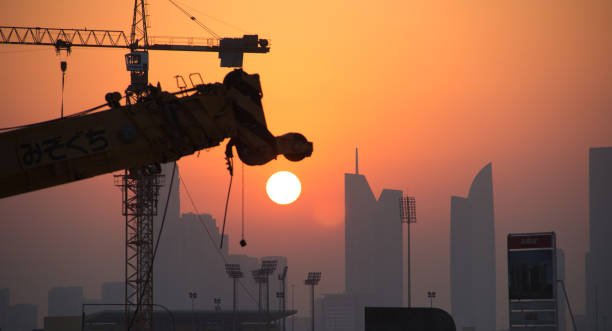
What the midday break means for equipment sites
- Shut down, do not idle. Park machines in shade where possible, turn off engines and avoid leaving them running unattended in the sun.
- Use the break for inspection. Operators and mechanics can use the stoppage to check fluids, tyres and cooling systems in shaded areas.
- Plan deliveries around it. Schedule heavy equipment transport, loading and unloading outside 12:30 pm to 3:00 pm to keep drivers and operators within the rules.
- Keep records. Document break schedules, training and rest area provision so you can show compliance during an inspection.
- Brief subcontractors. The employer on site carries the responsibility, so make sure every crew follows the same schedule.
Operator safety rules for hot weather
The midday break is a legal minimum, not a complete heat plan. Operators still work long hours in the cab before and after it, so site rules need to cover the whole shift.
1. Hydrate on a schedule
Operators should drink water regularly through the shift instead of waiting until they feel thirsty. Keep cool drinking water inside the cab and at every rest point. Avoid relying on energy drinks or heavy caffeine, which can add to dehydration.
2. Rotate and rest
Rotate operators on long or demanding tasks, and give short rest breaks in shade or an air-conditioned space. A tired operator in a hot cab makes more mistakes than a rested one.
3. Check the cabin before the shift
Do not start work if the cab air conditioning is not working. Check filters, vents and door seals, because a weak A/C system is a safety defect in summer, not a comfort issue.
4. Dress for heat and sun
- Light, breathable, long-sleeved clothing that still meets PPE requirements
- Approved hard hat with a neck shade or brim where suitable
- Sunscreen and sunglasses that meet site standards
- Breathable gloves and boots that meet site standards without trapping heat
5. Know the warning signs
| Condition | Common signs | What to do |
| Heat exhaustion | Heavy sweating, dizziness, headache, nausea, cramps, pale skin | Stop work, move to shade or cool area, give water, loosen clothing, monitor closely |
| Heat stroke | Confusion, slurred speech, hot dry or damp skin, fainting, very high body temperature | Call emergency services at once, cool the person rapidly, do not leave them alone |
Train supervisors and operators to spot these signs early, and make it clear that stopping work for a heat symptom is expected and will not be penalised.
6. Strengthen your site controls
- Brief every crew on heat risks at the start of each shift.
- Use a buddy system so operators and ground staff watch each other for symptoms.
- Keep first aid kits and trained first aiders close to the work area.
- Keep spotters and banksmen hydrated and rotated too, since they stand in the sun longest.
- Stop work in extreme conditions, even outside the legal midday break window, if the risk is too high.
Machine care in extreme heat
Most summer breakdowns come from a short list of causes: overheating, fluid problems, tyre failure and electrical faults. A daily check catches most of them before they stop the job.
| System | What to check | Why it matters in summer |
| Engine coolant | Level, colour, hoses, clamps, radiator fins free of dust | Overheating is the most common summer failure |
| Engine oil | Level and condition, correct grade for high temperatures | Oil thins in heat and protects less |
| Hydraulic system | Oil level and temperature, hoses, fittings, cylinder seals | Hot hydraulic oil loses viscosity and leaks more easily |
| Air filters | Clean or replace, check pre-cleaner and intake | Dust loads rise fast and starve the engine of air |
| Radiators and coolers | Blow out dust, check for blocked fins and damaged fans | Blocked cores cut cooling capacity |
| Tyres | Pressure checked when cold, sidewalls, tread, load rating | Heat raises pressure and increases blowout risk |
| Batteries | Terminals, fluid level where applicable, charge state | Heat shortens battery life and speeds up failures |
| Belts and hoses | Cracks, glazing, softness, leaks | Rubber ages faster in high temperatures |
| Cabin A/C | Cooling output, filters, condenser, refrigerant | Protects operator alertness and safety |
| Fuel system | Clean fuel, drained water separators, caps sealed | Contamination and condensation cause performance problems |
Daily habits that protect machines
- Walk around before every shift. Look for leaks, loose parts, worn belts and damaged tyres before starting the engine.
- Check fluids with the machine cold and on level ground. This gives accurate readings.
- Clean radiators and coolers regularly. UAE dust and sand build up quickly, so cleaning intervals should be shorter than the manufacturer’s standard schedule in dusty conditions.
- Watch temperature gauges and warnings. Do not keep working through an overheating alarm. Reduce load, let the machine idle briefly to cool down, and find the cause.
- Park in shade when possible. Covered parking or shade structures reduce stress on tyres, seals, hoses and cabin interiors.
- Log every issue. A written record of small faults helps maintenance teams find patterns before they become major failures.
Follow the manufacturer’s guidance
Coolant mix, oil grade and service intervals vary by make and model. Treat this guide as general good practice and follow the equipment manual and your service provider’s advice for each machine.
Planning site work around the heat
Good scheduling reduces both risk and cost. Move the heaviest work to the cooler parts of the day and keep the hottest hours for light tasks, inspections and maintenance.
- Start early. Begin demanding operations such as excavation, lifting and loading at first light, when temperatures are lowest.
- Use the afternoon and evening. After the midday break, resume work in shaded or cooler conditions, and consider evening or night shifts where permits and lighting allow.
- Lighting and visibility. If you work at night, add proper lighting, reflective gear and clear traffic control, since night work brings its own hazards.
- Stage equipment early. Plan transport and positioning of machines before the hottest weeks, so they are not being moved at the worst time.
- Build in buffer time. Heat delays are predictable, so include them in project schedules instead of treating them as surprises.
- Watch the forecast. Review daily weather and humidity conditions, because humid heat is harder on the body even when the temperature looks lower.
Quick pre-shift checklist
- ☐ Operators briefed on heat symptoms and break times
- ☐ Cool drinking water available in cab and at rest areas
- ☐ Shaded rest area set up and in working order
- ☐ Cab A/C tested on every machine
- ☐ Coolant, oil and hydraulic levels checked
- ☐ Radiators and filters free of dust
- ☐ Tyre pressures and condition checked
- ☐ Emergency contacts and first aid kit confirmed
- ☐ Machines scheduled to be shut down and shaded for the midday break
Work with a partner that plans for UAE conditions
Safe summer operations depend on timing, equipment condition and people who understand local conditions. Moving heavy machinery during the hottest months adds risk when loading, hauling and unloading are rushed or poorly planned. Upway Transport supports businesses across the UAE with equipment transport and logistics planned around local regulations, site schedules and the realities of summer heat.
If you are preparing for next summer, now is a good time to plan machine movements, service schedules and site logistics before demand rises. Contact Upway Transport to discuss your equipment needs and build a schedule that keeps your crews safe and your projects on track.
Frequently asked questions
What is the UAE midday break and when does it apply?
It is a ban on outdoor work in direct sun from 12:30 pm to 3:00 pm, enforced by MoHRE between 15 June and 15 September each year. Check MoHRE for the current year’s details.
Can heavy equipment operators work during the midday break?
Outdoor work in direct sun is not allowed during the banned hours. Use the time to shut machines down, rest operators and carry out shaded inspections instead.
What are the penalties for breaking the midday break rule?
Employers can face fines of up to AED 5,000 per worker, capped at AED 50,000 in total, based on the figures published by MoHRE. Confirm current penalties with the ministry.
How often should I check my machines in summer?
Do a walk-around and fluid check before every shift, and clean radiators, coolers and air filters more often than usual in dusty conditions. Follow your manufacturer’s service schedule for everything else.
What is the most common cause of summer equipment breakdowns?
Overheating is one of the most common causes, usually from low coolant, blocked radiators, worn belts or failing fans. Tyre failures, hydraulic leaks and battery faults follow closely.
How can I protect operators from heat stress?
Provide cool water, shaded rest areas and working cab A/C. Rotate operators, train crews on warning signs and act immediately when someone shows symptoms.