Boom Lift vs Scissor Lift: Which Equipment Is Better for Your Project?
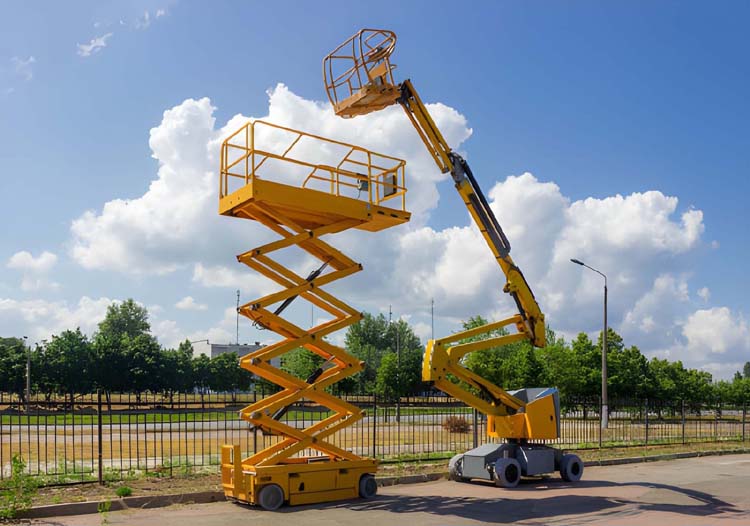
Choosing the right access equipment can directly affect project speed, worker safety, operating costs, and overall productivity. In construction, facility maintenance, warehouse operations, steel installation, glazing work, MEP projects, and industrial shutdowns, the debate around boom lift vs scissor lift is one of the most common equipment selection decisions.
Many contractors in Dubai and across the UAE rent the wrong machine simply because they focus only on platform height. In reality, factors such as horizontal reach, ground conditions, workspace limitations, safety regulations, and site accessibility matter just as much.
So, which is better: a boom lift or a scissor lift?
The answer depends entirely on your project requirements.
This guide explains the real-world difference between boom lift and scissor lift equipment, compares performance, highlights ideal applications, and helps contractors, facility managers, and project planners choose the most cost-effective solution for UAE job sites.
What Is a Boom Lift?
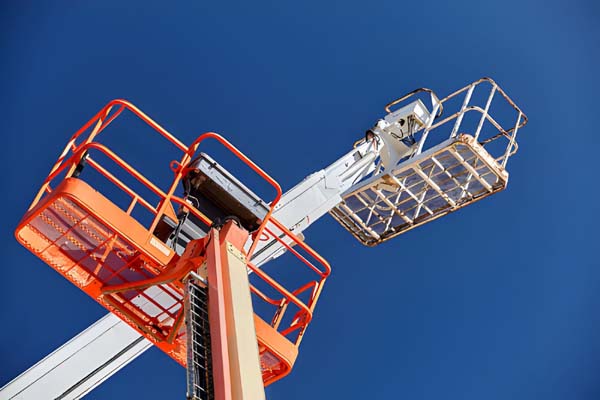
A boom lift is a type of aerial work platform designed to provide both vertical and horizontal reach. It uses an extendable arm or articulated boom to access difficult or elevated areas.
Boom lifts are commonly used on:
- High-rise construction projects
- Exterior façade maintenance
- Steel erection
- Bridge work
- Airport maintenance
- Signage installation
- Industrial plants
- Telecom tower work
Unlike vertical-only platforms, boom lifts can reach over obstacles such as buildings, machinery, pipelines, or structural elements.
Main Types of Boom Lifts
Telescopic Boom Lift
Also called a straight boom lift.
Features:
- Long horizontal outreach
- Higher platform elevation
- Fast extension capability
- Ideal for open job sites
Common UAE applications:
- High-rise exterior work
- Large infrastructure projects
- Oil and gas facilities
- Road and bridge maintenance
Articulating Boom Lift
Also known as a knuckle boom lift.
Features:
- Multiple pivot points
- Better maneuverability
- Access around obstacles
- Ideal for confined workspaces
Common UAE applications:
- Mall maintenance
- Indoor industrial facilities
- Complex steel structures
- Mechanical installations
What Is a Scissor Lift?
A scissor lift is a vertical aerial work platform that moves straight upward using crisscrossing support mechanisms.
Unlike boom lifts, scissor lifts do not provide significant horizontal outreach. However, they offer larger platform space and higher load capacity.
They are widely used for:
- Indoor maintenance
- Warehouse operations
- Ceiling installation
- Electrical work
- HVAC servicing
- Painting
- Inventory management
Main Types of Scissor Lifts
Electric Scissor Lift
Best for:
- Indoor applications
- Warehouses
- Shopping malls
- Airports
- Hospitals
Advantages:
- Quiet operation
- Zero emissions
- Smooth maneuverability
- Lower maintenance
Diesel Scissor Lift
Best for:
- Outdoor rough terrain projects
- Construction sites
- Infrastructure works
Advantages:
- Higher lifting capacity
- Better ground clearance
- Suitable for uneven terrain
Boom Lift vs Scissor Lift: Key Differences
Understanding the scissor lift vs boom lift comparison helps project managers avoid costly equipment mistakes.
| Feature | Boom Lift | Scissor Lift |
| Vertical Reach | Excellent | Excellent |
| Horizontal Reach | High | Minimal |
| Maneuverability | Advanced | Moderate |
| Platform Size | Smaller | Larger |
| Load Capacity | Moderate | Higher |
| Ideal Terrain | Rough + uneven | Flat or controlled |
| Best for Obstacles | Yes | Limited |
| Indoor Suitability | Some models | Excellent |
| Outdoor Performance | Excellent | Depends on model |
| Operator Positioning | Flexible | Straight vertical |
| Rental Cost | Usually higher | Usually lower |
Difference Between Boom Lift and Scissor Lift
The biggest difference between boom lift and scissor lift equipment is movement capability.
Boom Lift Movement
Boom lifts move:
- Upward
- Outward
- Around obstacles
This flexibility makes them ideal for difficult access applications.
Scissor Lift Movement
Scissor lifts move:
- Straight upward only
This makes them ideal for stable, vertical work areas where horizontal outreach is unnecessary.
Boom Lift Comparison: Advantages and Limitations
Advantages of Boom Lifts
Superior Reach Capability
Boom lifts can access difficult elevated positions that scissor lifts cannot reach.
For example:
- Exterior glass replacement
- Overhead steel installation
- Rooftop maintenance
- Bridge inspections
Better Access Around Obstacles
Articulating boom lifts are particularly useful in congested environments.
Suitable for Rough Terrain
Diesel boom lifts are commonly used on UAE construction sites with uneven ground.
Higher Working Heights
Some boom lifts can reach more than 40 meters.
Limitations of Boom Lifts
Higher Rental Costs
Boom lifts generally cost more due to:
- Complex hydraulic systems
- Larger engine capacity
- Higher maintenance requirements
Requires Skilled Operators
Boom lift operation demands more training and awareness.
Smaller Platform Space
Not ideal for large teams or heavy materials.
Scissor Lift Comparison: Advantages and Limitations
Advantages of Scissor Lifts
Larger Working Platform
Allows:
- Multiple workers
- Tools and materials
- Better workspace organization
Higher Weight Capacity
Scissor lifts usually support heavier platform loads than boom lifts.
Cost-Effective Rental Option
For vertical access work, scissor lifts are often more economical.
Excellent for Indoor Use
Electric scissor lifts are ideal for malls, warehouses, airports, and commercial buildings in Dubai.
Limitations of Scissor Lifts
Limited Outreach
Cannot extend horizontally over obstacles.
Restricted Terrain Capability
Electric models are unsuitable for rough outdoor terrain.
Height Limitations
Typically lower maximum working height compared to boom lifts.
Which Is Better: Boom Lift or Scissor Lift?
The answer depends on your application.
Choose a Boom Lift If You Need:
- Horizontal outreach
- Access over obstacles
- Exterior high-rise work
- Rough terrain capability
- Complex elevated access
Typical UAE projects:
- Tower construction in Dubai Marina
- Industrial shutdown maintenance in Abu Dhabi
- Infrastructure work in Sharjah
- Airport maintenance projects
Choose a Scissor Lift If You Need:
- Straight vertical lifting
- Large platform space
- Indoor access equipment
- Lower rental costs
- Stable warehouse operation
Typical UAE projects:
- Mall maintenance
- Warehouse inventory work
- Ceiling installation
- MEP servicing
- Indoor fit-out projects
Real-World Use Cases in Dubai and UAE
Construction Projects
Best Choice: Boom Lift
Dubai’s high-rise construction sector often requires:
- Façade access
- Steel erection
- Exterior glazing
- Tower maintenance
Boom lifts provide the necessary outreach and elevation.
Warehouse Operations
Best Choice: Electric Scissor Lift
Warehouses in Jebel Ali and Dubai Industrial City commonly use scissor lifts for:
- Inventory handling
- Rack maintenance
- Lighting installation
Electric models work well indoors without emissions.
Facility Maintenance
Best Choice: Depends on Access
Use boom lifts when obstacles exist.
Use scissor lifts for open vertical access areas.
Infrastructure Projects
Best Choice: Diesel Boom Lift
Road, bridge, and utility projects across the UAE often require:
- Rough terrain access
- Long outreach
- High elevation capability
Aerial Lift Comparison for Safety
Proper equipment selection improves job-site safety significantly.
Boom Lift Safety Considerations
Operators should monitor:
- Swing radius
- Wind conditions
- Ground stability
- Overhead obstructions
- Platform overload
Harness use is typically mandatory.
Scissor Lift Safety Considerations
Common risks include:
- Platform overloading
- Uneven surfaces
- Unsafe movement while elevated
- Improper guardrail use
Fall protection requirements vary depending on site regulations and lift type.
Important Safety Tips for UAE Projects
Dubai and UAE job sites face unique environmental conditions.
Watch for Extreme Heat
High temperatures can affect:
- Hydraulic systems
- Tire pressure
- Operator fatigue
Summer operations require additional inspection routines.
Consider Wind Speed
High winds are especially dangerous for boom lifts at elevation.
Always follow manufacturer wind ratings.
Inspect Ground Conditions
Loose sand or unstable surfaces can create tipping hazards.
Rough terrain lifts may be necessary for desert or undeveloped sites.
Ensure Certified Operators
Only trained personnel should operate aerial work platforms.
This reduces:
- Equipment damage
- Downtime
- Workplace accidents
Cost Factors: Boom Lift vs Scissor Lift
Rental pricing depends on multiple variables.
Factors Affecting Boom Lift Rental Cost
- Working height
- Horizontal reach
- Fuel type
- Terrain capability
- Rental duration
- Operator requirement
- Transport logistics
Boom lifts usually cost more due to their advanced functionality.
Factors Affecting Scissor Lift Rental Cost
- Platform height
- Electric vs diesel model
- Indoor vs outdoor use
- Load capacity
- Rental period
Scissor lifts are generally more budget-friendly.
Common Equipment Selection Mistakes
Choosing Based Only on Height
Many contractors forget about outreach requirements.
A project may need obstacle clearance rather than vertical elevation alone.
Ignoring Terrain Conditions
Indoor electric lifts often fail on rough outdoor surfaces.
Underestimating Platform Capacity
Workers, tools, and materials add significant weight.
Always calculate total platform load.
Renting Oversized Equipment
Bigger equipment increases:
- Rental costs
- Fuel expenses
- Transportation challenges
Choose the right size for the actual task.
Expert Recommendations
As an experienced equipment rental provider in the UAE construction sector, the most practical recommendation is simple:
Use Boom Lifts For:
- High-rise exterior access
- Difficult positioning
- Rough terrain work
- Infrastructure projects
- Complex industrial maintenance
Use Scissor Lifts For:
- Indoor maintenance
- Warehousing
- Straight vertical access
- Multi-worker platforms
- Cost-efficient lifting solutions
In many large-scale Dubai projects, contractors use both machines together for maximum efficiency.
Dubai & UAE Market Relevance
The UAE construction and industrial sectors continue to grow rapidly.
Demand for aerial access equipment is increasing across:
- Dubai
- Abu Dhabi
- Sharjah
- Ajman
- Ras Al Khaimah
- Fujairah
Key industries include:
- Real estate development
- Infrastructure expansion
- Oil and gas
- Aviation
- Logistics
- Warehousing
- Hospitality maintenance
Because UAE projects often involve:
- High-rise buildings
- Extreme temperatures
- Fast-track construction schedules
- Large industrial facilities
Choosing the correct aerial platform directly impacts project timelines and operational safety.
FAQs
What is the main difference between a boom lift and a scissor lift?
The primary difference is movement capability. Boom lifts provide both vertical and horizontal reach, while scissor lifts move vertically only.
Which is better: boom lift or scissor lift?
Neither is universally better. Boom lifts are ideal for outreach and obstacle access, while scissor lifts are better for vertical lifting and larger platform workspace.
Is a boom lift more expensive than a scissor lift?
Yes. Boom lift rental costs are typically higher because of their advanced reach capabilities and larger operating systems.
Can scissor lifts be used outdoors?
Yes, diesel rough-terrain scissor lifts can operate outdoors. Electric scissor lifts are generally designed for indoor use.
Are boom lifts safer than scissor lifts?
Both can be safe when used properly. Safety depends on:
- Operator training
- Site conditions
- Proper equipment selection
- Routine inspections
Which lift is best for warehouse work?
Electric scissor lifts are usually the preferred choice for warehouses because they provide stable vertical access and indoor-friendly operation.
What type of lift is best for Dubai high-rise projects?
Boom lifts are commonly used for high-rise exterior work because they offer greater height and horizontal outreach.
Conclusion
When comparing boom lift vs scissor lift, there is no one-size-fits-all answer.
The right choice depends on:
- Project environment
- Working height
- Terrain conditions
- Access challenges
- Platform capacity needs
- Budget considerations
If your project requires flexible outreach and complex elevated access, a boom lift is usually the better option.
If you need stable vertical lifting with more workspace and lower operating costs, a scissor lift is often the smarter solution.
For contractors and facility managers in Dubai and across the UAE, selecting the correct aerial platform improves:
- Productivity
- Worker safety
- Operational efficiency
- Project timelines
- Overall rental value
At Upway Transport, we help businesses choose the right lifting equipment based on actual site conditions, operational goals, and safety requirements. Whether you need a boom lift, scissor lift, or complete aerial access solution, choosing the right machine from the start can save significant time and cost on your project.