Introduction
Electrical work at height isn’t just hazardous—it’s doubly hazardous. Electricians face fall risks while simultaneously managing electrical hazard exposure. In Dubai, where high-rise commercial construction dominates, electrical contractors work regularly at significant heights. Understanding Dubai’s specific working-at-height regulations and implementing proper safety protocols is non-negotiable.
Yet many electrical contractors operate under outdated safety assumptions or partial understanding of Dubai Municipality regulations. Gaps in safety knowledge create liability, project shutdowns, and worst of all, injuries.
This guide explains Dubai’s working-at-height requirements, details essential safety procedures, clarifies equipment selection for electrical contractors, and provides practical frameworks for risk management. It’s designed for electrical contractors, facility managers, and project supervisors responsible for safe execution of electrical work above ground level.
Dubai’s Working-at-Height Regulations
Legal Framework and Compliance Requirements
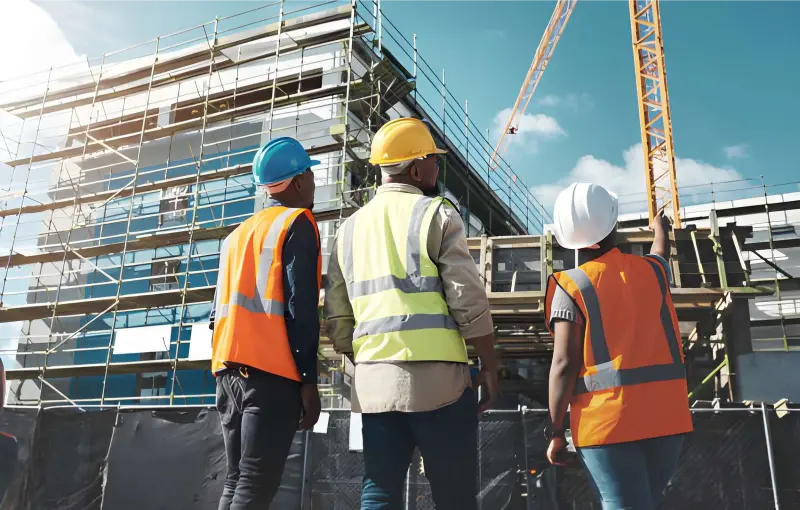
Dubai Municipality and the UAE Ministry of Human Resources and Emiratisation establish clear working-at-height regulations. Any work above 2 metres requires fall protection measures and adherence to specific safety standards.
Key regulatory requirements:
- Competent Person Designation A competent person (supervisor or safety officer with working-at-height training) must oversee all elevated work. This person assesses risks, ensures equipment compliance, and monitors safety procedures.
- Permit-to-Work Systems Working-at-height work requires formal permits before work begins. Permits document:
- Work location and elevation
- Equipment to be used
- Weather conditions
- Rescue procedures
- Personnel involved
- Supervisor approval
- Equipment Inspection and Certification All access equipment (boom lifts, scissor lifts, scaffolding) must undergo:
- Initial certification (when equipment enters Dubai)
- Quarterly safety inspections (for boom lifts, crane-type equipment)
- Monthly inspections (for scissor lifts)
- Annual inspections (for fall protection harnesses)
- Operator Certification Equipment operators must hold current MEWP (Mobile Elevating Work Platform) certifications. This training covers equipment operation, safety protocols, and emergency procedures. Certification is mandatory—not optional.
Fall Protection and Personal Protective Equipment (PPE)
Fall Protection Hierarchy
Dubai’s safety standards follow a hierarchy: eliminate hazards first, then provide engineering controls, then administrative controls, and finally PPE. For electrical contractors working at height:
Level 1: Elimination – Can work be done from ground level? Use mobile equipment (lifts, cranes) rather than ladders where possible.
Level 2: Engineering Controls – Install guardrails around work platforms. Use safety nets where appropriate. Design work to minimize height where feasible.
Level 3: Administrative Controls – Implement work-at-height procedures, training requirements, and supervision protocols.
Level 4: PPE – Personal fall protection (harnesses, lanyards, anchor points) as final safeguard.
Required PPE for Electrical Work at Height
Hard Hat: Mandatory for all elevated work. Protects against impact if tools or materials fall.
Full-Body Harness: Required when working above 2 metres without engineered barriers. The harness distributes fall arrest forces across the body, reducing injury risk.
Lanyard with Energy Absorber: Connects harness to secure anchor points. Absorbs fall energy, limiting deceleration forces that cause injury.
Safety Footwear: Steel-toed boots with good grip provide stability on platforms and protect against dropped objects.
Hi-Visibility Clothing: Ensures workers remain visible to equipment operators and other trades.
Gloves: Protect hands during climbing, handling equipment, and working with electrical components.
Critical PPE Compliance Points
All harnesses require annual inspection by certified technicians. Harnesses showing wear, damage, or age (typically 5+ years) must be replaced—not repaired.
Anchor points must support at least 5 times a worker’s body weight. Never anchor to unstable structures, electrical conduit, or equipment that might shift.
Workers must receive training in proper harness fitting and lanyard use. Improper fit can cause injury even if equipment functions correctly. Site supervisors should verify correct fitting before workers begin work.
Access Equipment for Electrical Work—Safety Considerations
Boom Lifts for Electrical Installation
Articulating boom lifts are widely used for interior electrical work. They position workers precisely at ceiling height where wiring and equipment installation occur.
Safety advantages:
- Stable platform reduces worker fatigue and focus loss
- Built-in guardrails provide engineered fall protection
- No need for additional harness/lanyard systems (though harnesses may still be required during boom movement)
- Rapid deployment and repositioning
Safety requirements:
- Operator must hold current MEWP certification
- Equipment must pass quarterly safety inspections
- Platform load limits must be respected (typically 250–350 kg including workers and tools)
- Emergency descent systems must function
- Weather limits respected (high winds halt operations)
Scissor Lifts for Electrical Work
Scissor lifts provide large, stable platforms ideal for sustained electrical work in one location. Multiple electricians can work simultaneously with tools and materials.
Safety advantages:
- Very stable (excellent for tools and equipment positioning)
- Large platform reduces congestion
- Guardrails provide primary fall protection
- Good for sustained work in one location
Safety requirements:
- Operator certification required
- Monthly safety inspections mandatory
- Platform capacity limits must be observed
- Guardrails must remain intact
- Never override safety controls
Ladders and Scaffolding—When Appropriate
Traditional ladders are progressively being phased out for elevated electrical work in commercial construction. However, ladders remain appropriate for:
- Brief maintenance access (15 minutes or less)
- Low-height work (under 3 metres)
- Areas where larger equipment can’t access
Scaffolding, while providing large platforms, creates specific hazards for electrical contractors:
- Multiple access points increase fall risk
- Electrical hazard proximity creates shock risks
- Movement between scaffolding levels increases exposure
- Setup/repositioning time delays electrical work
For most commercial electrical installation in Dubai, boom lifts or scissor lifts are preferable to scaffolding from both safety and efficiency perspectives.
Risk Assessment and Work Planning
Pre-Work Risk Assessment Process
Before any elevated electrical work, conduct formal risk assessment:
- Identify Hazards
- Work height and fall distance
- Electrical hazard presence (live equipment nearby)
- Weather conditions and exposure
- Equipment and materials to be handled
- Other trades working nearby
- Assess Likelihood and Severity High risk (immediate action required): Work near live electrical equipment without isolation, unsecured loads at height, inadequate fall protection
Medium risk (controls required): Electrical work at height with proper fall protection, secured tools, adequate spacing from other trades
Low risk (standard procedures sufficient): Routine maintenance work at modest heights with standard PPE
- Implement Controls
- Use isolation locks (lockout/tagout) for electrical equipment
- Deploy fall protection appropriate to risk level
- Ensure adequate spacing between electricians and equipment operators
- Schedule work during suitable weather conditions
- Assign competent supervision
- Document and Review Record risk assessment findings. Review before work begins. Adjust if site conditions change mid-project.
Electrical Hazards at Height
Electrical contractors face unique hazards beyond fall risk:
Arc Flash: Electrical equipment failure creates intense heat and light. Distance and personal protective equipment (insulated tools, flame-resistant clothing) reduce risk.
Electrocution: Contact with live conductors is fatal. Lockout/tagout procedures, insulated tools, and proper grounding eliminate this risk.
Dropped Tools: Hand tools falling from height create impact hazards for workers below. Secure tools to platform—never allow tools to fall freely.
Common Safety Mistakes and How to Avoid Them
- Assuming MEWP operator certification isn’t necessary
MEWP certification is legally required in Dubai. Non-certified operators create liability and project shutdowns. Verify certification before equipment deployment.
- Working near live electrical equipment without isolation
Before working on electrical systems at height, isolate power. Lockout/tagout systems prevent accidental energization. Never assume equipment is de-energized without verification.
- Using ladders for work exceeding 15 minutes
Ladders create fatigue and focus loss over extended use. Use proper access equipment for sustained elevated work.
- Overloading platforms beyond rated capacity
Platform capacity limits exist for safety. Exceeding limits risks platform failure. Verify weight of workers plus tools and materials before deployment.
- Failing to inspect fall protection equipment
Harnesses and lanyards deteriorate with use and age. Annual inspection catches damage early. Replace equipment showing any wear or damage.
- Working in high winds
Wind speeds above 40–50 km/h reduce platform stability and increase swing. Halt work until wind subsides. Dubai summer winds can reach these limits—plan accordingly.
Best Practices for Safe Electrical Work at Height
Plan work 2–4 weeks in advance. Identify equipment needs, confirm operator availability, arrange competent person supervision, and schedule training if needed.
Conduct site-specific safety briefings. Before work begins, brief all personnel on hazards, control measures, emergency procedures, and equipment operation.
Verify electrical system isolation. Before work on electrical equipment, confirm power is isolated using lockout/tagout systems. Use a multimeter to verify de-energization.
Secure all tools and equipment. Tools falling from height create hazards for workers below. Tether tools to platforms or use tool lanyards.
Maintain clear communication. Establish radio communication between equipment operators and electrical workers. Clear, concise communication prevents misunderstandings that create hazards.
Inspect equipment before each use. Equipment operators should perform pre-shift inspections checking guardrails, safety systems, hydraulics, and controls. Report any defects before use.
Designate a competent person supervisor. This person oversees work, monitors safety compliance, and makes decisions about work continuation or suspension due to safety concerns.
FAQ Section
Q1: What are the specific working-at-height regulations for electrical contractors in Dubai? Dubai Municipality requires fall protection for all work above 2 metres. A competent person must supervise work. Operators need MEWP certification for access equipment. All equipment requires regular safety inspections. Formal permits document planned work, location, equipment, and rescue procedures.
Q2: Can electrical contractors use ladders for work at height in Dubai? Ladders are acceptable for brief work (under 15 minutes) at low heights (under 3 metres). For sustained work or higher elevations, proper access equipment (boom lifts, scissor lifts) is required. Ladders are progressively being replaced by safer alternatives in commercial construction.
Q3: Is a hard hat required when working inside scissor lifts or boom lifts? Yes. Hard hats remain mandatory even when platform guardrails provide primary fall protection. Other trades may be working nearby—hard hats protect against dropped objects from above.
Q4: How often must MEWP operators be retrained? Initial MEWP certification is valid for 2–3 years. Refresher training is recommended annually even if formal certification remains valid. If an operator hasn’t operated equipment for 6+ months, refresher training is advisable before resuming work.
Q5: What should electricians do if they discover a harness is damaged during pre-work inspection? Stop work immediately. Don’t attempt to repair harnesses—they must be replaced by certified technicians. Work cannot resume until fall protection is functional. This brief delay prevents catastrophic injury if the harness is actually needed.
Q6: Can electrical contractors work at height during Dubai’s summer months when temperatures exceed 45°C? Yes, but with precautions. Extreme heat increases fatigue and focus loss—both safety risks. Consider scheduling critical elevated work during cooler months (October–April). If summer work is necessary, reduce working hours, increase breaks, and provide hydration. Equipment operators may face operational limits if thermal stress affects judgement.
Q7: What’s the difference between fall arrest and fall prevention? Fall prevention eliminates fall risk (guardrails, platforms, proper scaffolding). Fall arrest assumes falls might occur and provides equipment (harnesses, lanyards) to stop the fall. Dubai regulations prefer prevention over arrest—design work to eliminate fall risk rather than relying on arrest systems.
Q8: Who is legally responsible if an electrical contractor violates working-at-height regulations? Responsibility falls on multiple parties: the contractor (implementing safety procedures), the site supervisor (enforcing compliance), and the project management (ensuring procedures exist). Individual responsibility also applies—workers following unsafe instructions can face penalties. Safety is a collective responsibility.
Best Practices Summary
Working safely at height requires:
- Legal compliance (Dubai regulations, permits, inspections)
- Proper equipment (access platforms, fall protection, PPE)
- Trained personnel (certified operators, competent supervisors, safety-aware workers)
- Risk management (assessment before work, control implementation, continuous monitoring)
- Culture of safety (reporting hazards, stopping unsafe work, prioritizing protection over schedule)
Electrical contractors who embed these practices into their operations protect workers, prevent project shutdowns from safety violations, and build reputations for professional execution.
Conclusion
Safe working at height for electrical contractors in Dubai requires understanding local regulations, implementing proper fall protection, selecting appropriate access equipment, and maintaining a safety-first culture. Dubai’s regulatory environment is stringent—and for good reason. Falls remain a leading cause of construction injury and death.
The contractors who execute electrical work at height most safely are those who:
- Plan work systematically, not reactively
- Invest in equipment appropriate to actual hazards
- Prioritize operator certification and training
- Implement risk assessment before work begins
- Maintain clear safety communication among all participants
- Stop work when conditions become unsafe
Technology and equipment have improved significantly. Boom lifts and scissor lifts provide safer alternatives to ladders and scaffolding. MEWP certification ensures operators understand equipment and safety protocols. Access to competent supervision and safety resources is readily available.
Using these resources and following Dubai’s regulations isn’t just compliance—it’s fundamental professional responsibility to workers whose safety depends on decisions made by electrical contractors and project management.
Planning electrical installation or maintenance projects requiring work at height? Our team supports electrical contractors with safety-compliant access equipment and resources ensuring safe execution of elevated electrical work. From equipment selection to safety documentation, we’ll help you navigate Dubai’s working-at-height requirements. [Contact our electrical contractor safety specialists] to discuss your project and ensure compliance with current regulations.
Electrical Work-at-Height Safety Checklist:
- Verify MEWP operator certification before equipment deployment
- Conduct pre-work risk assessment identifying electrical and fall hazards
- Implement lockout/tagout procedures for electrical isolation
- Confirm all fall protection equipment is inspected and certified
- Assign competent person supervisor for work duration
- Brief all personnel on hazards, controls, and emergency procedures
- Secure all tools and equipment to prevent dropping
- Establish clear radio communication between operators and workers
- Document work via permit-to-work system
- Stop work if conditions change (weather, equipment issues, safety concerns)